Small apartments invite strong opinions about what belongs in them, and many of those opinions are wrong. Apartment Therapy has spent years collecting real home tours and reader questions that reveal the same small space decorating mistakes again and again. This piece looks at where those assumptions come from and what actually holds up once furniture, color, and layout meet real square footage.
The Myth That Small Spaces Need Minimalism at All Costs
A common belief holds that a tiny apartment must stay sparse to feel functional. In practice, a room with almost nothing in it often feels cold rather than calm. Apartment Therapy‘s home tours regularly feature compact apartments layered with art, textiles, and collected objects that still read as organized, not cluttered. The difference lies in arrangement, not quantity.
Minimalism works for some people because it matches a personal taste, not because small square footage demands it. A one-room apartment can hold books, plants, and framed photos without feeling cramped, as long as surfaces are grouped thoughtfully. That distinction between restraint and genuine style gets lost when minimalism is treated as a rule rather than a choice.
Dark Colors and Bold Patterns Don’t Belong in Apartments: Fact or Fiction?
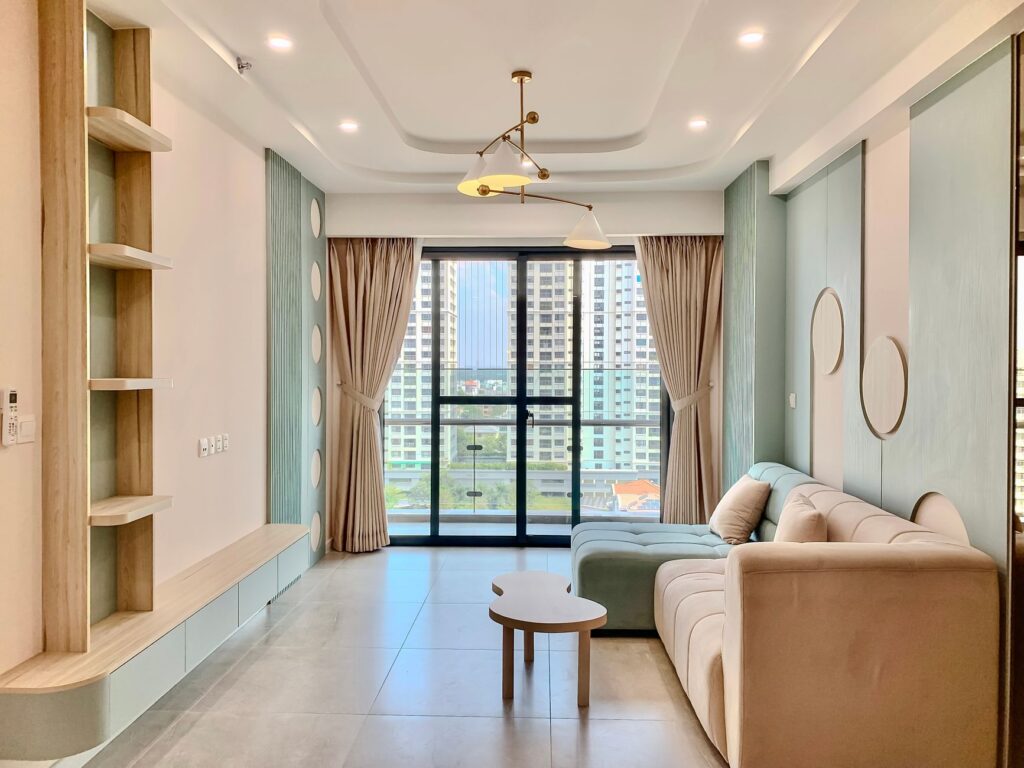
Dark paint and bold pattern get blamed for shrinking a room, yet that reputation rarely survives contact with an actual finished space. A deep green or charcoal wall can give a small room a defined edge instead of fading into beige nothingness. Tours featured on Apartment Therapy have shown studio apartments painted in saturated color that photograph as cozy rather than tight.
Pattern carries a similar myth. A bold wallpaper in an entryway or a patterned rug under a small dining table adds personality without reducing the footprint of the room. The idea that only pale, neutral palettes suit limited square footage is one of the more persistent small space decorating mistakes, and it limits a lot of otherwise interesting rooms before they are even tried.
Furniture Scale Misconceptions in Compact Living
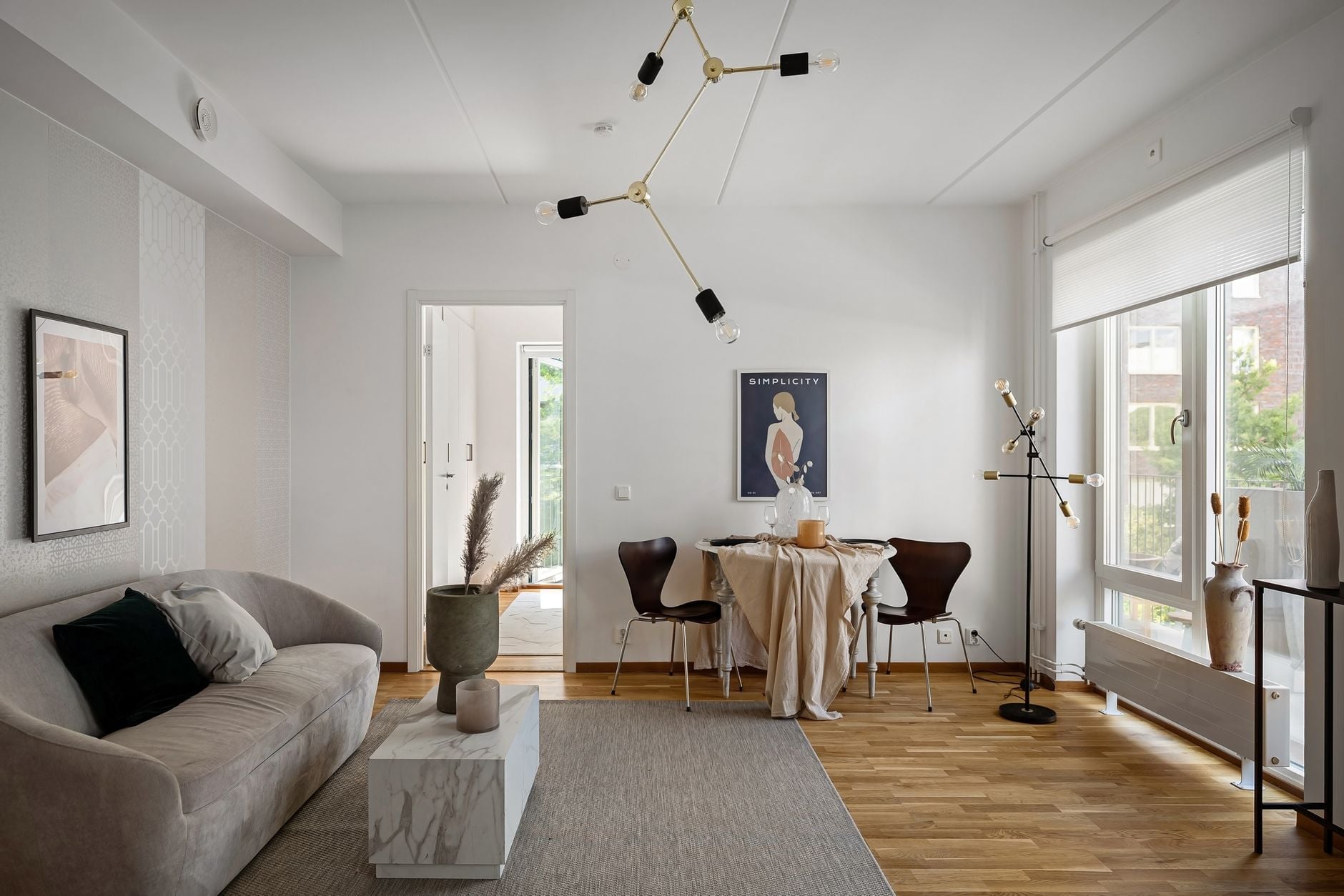
A frequent assumption is that every piece of furniture in a small apartment should be small. That logic sounds reasonable, but a room filled entirely with undersized furniture can end up looking like a dollhouse rather than an adult’s home. One well-proportioned sofa or a single larger bookcase often anchors a room better than several tiny, scattered pieces.
Scale matters more than sheer size. A dining table that is slightly too small for the number of people who actually use it creates ongoing friction, while a properly sized table pushed against a wall can work fine in the same footprint. Furniture choices rooted in fear of taking up space, rather than in actual measurements, are among the small space decorating mistakes that quietly make daily life harder.
Planning Ahead: How Small-Space Decisions Get Made Before They Get Built
Many of the worst small space decorating mistakes happen before a single piece of furniture arrives, simply because color, scale, and layout were never tested together first. Apartment Therapy‘s coverage, including its newsletter The Home Cure, regularly walks through real finished rooms rather than abstract advice, which gives a concrete reference point before committing to paint or a floor plan. Looking at a finished project side by side with a current room can surface a scale or color clash early.
That kind of early comparison matters more in a small apartment than a large one, since mistakes are harder to hide once furniture is in place. Instead of guessing how a rug will read against a chosen sofa, comparing similar combinations in real homes catches mismatches sooner. That habit, borrowed from looking closely at other people’s finished spaces, tends to prevent some of the layout regrets that show up later.
Lighting, Layout, and Other Overlooked Small-Space Elements
Lighting rarely gets the attention that color and furniture receive, yet it changes how a small room reads more than almost anything else. A single overhead fixture often leaves corners dim and flattens the sense of depth in a room. Layered lighting, with table lamps and wall sconces added to an overhead source, gives a compact room more dimension.
Layout mistakes are just as common. Pushing every piece of furniture against the walls can leave a dead, unused zone in the middle of a room instead of a space that invites use. Walkways, sightlines from the entrance, and the placement of a rug can matter as much as the furniture chosen to fill the room.
- Treating every small apartment as a candidate for stark minimalism, when thoughtfully layered décor often reads as more intentional.
- Avoiding dark paint colors out of a belief that they shrink a room, when a well-chosen dark wall can give a space more definition.
- Buying only miniature furniture, which can make a room feel like a display rather than a lived-in home.
- Lighting a room with a single overhead fixture instead of layering lamps and sconces for more depth.
- Pushing all furniture against the walls, leaving the center of a room empty and underused.
- Skipping any comparison step before buying furniture or paint for a tight layout.
Real Apartment Transformations: What Actually Works
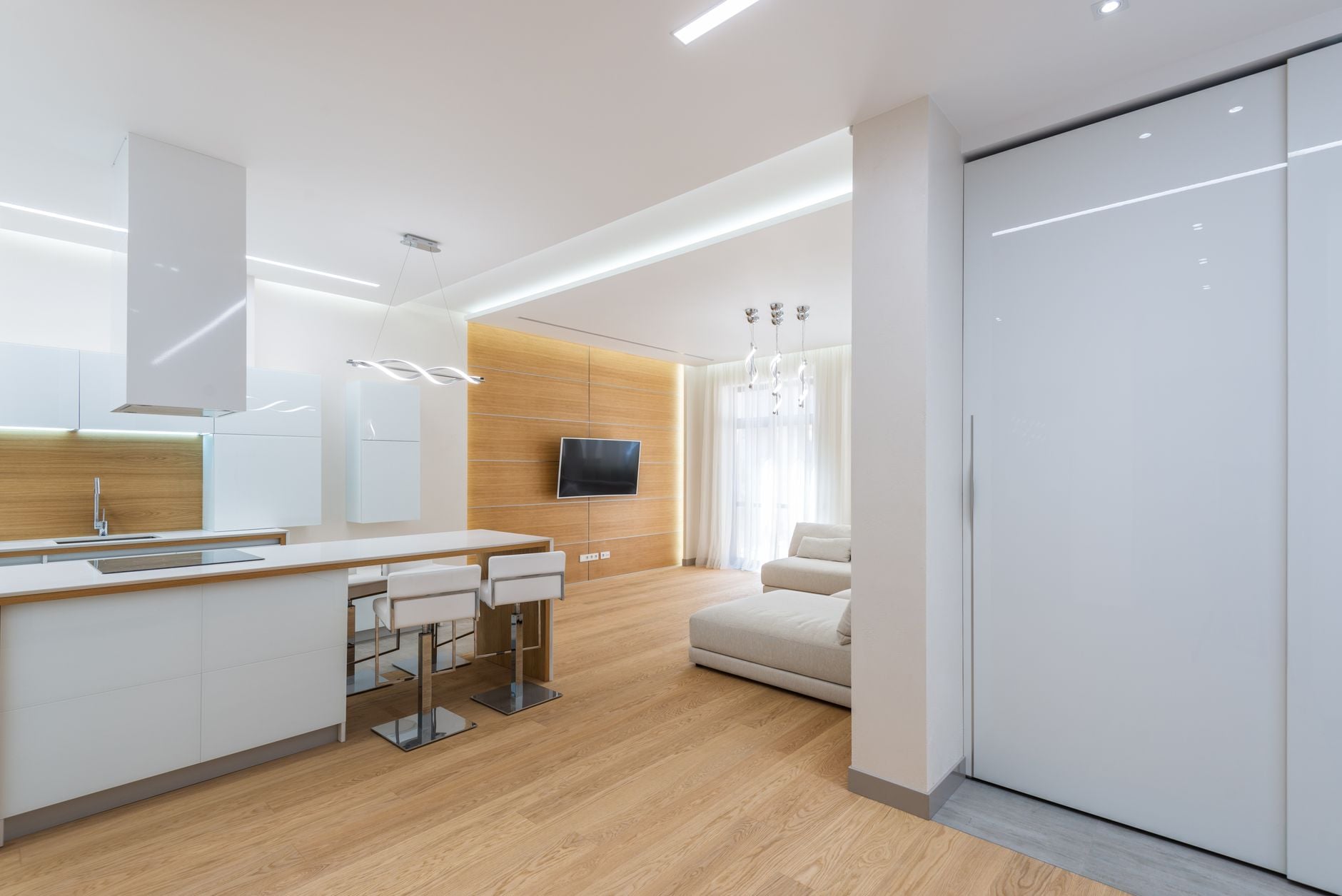
Apartment Therapy‘s home tours include a 765-square-foot apartment in Mumbai, designed around a mix of modern, contemporary, and European influences, with tropical details worked into the kitchen and a standout balcony. That kind of project shows how a small footprint can still support a layered, specific design point of view rather than a generic, pared-down look. The apartment did not shrink its ambitions to match its size.
Across its home tours and stories, Apartment Therapy draws on a sizable community, including 20 million readers globally, over 600,000 room photos, and 12 million social followers. That volume of real, photographed homes offers a wide base of evidence against one-size-fits-all rules. Looking at actual finished rooms, rather than abstract guidelines, tends to be the fastest way to spot which small space decorating mistakes are myths and which habits are worth keeping.