
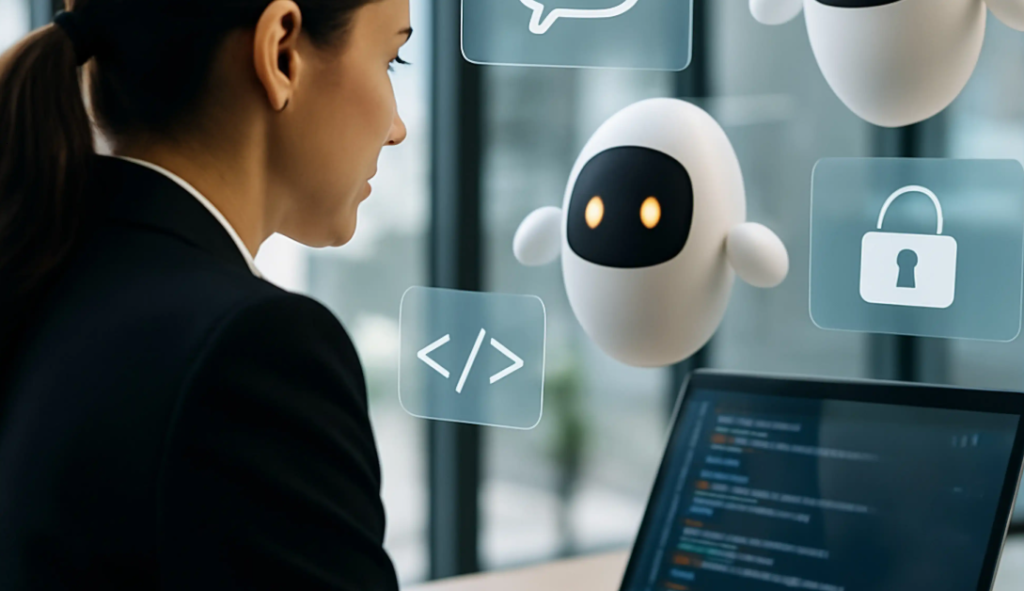
Technology has become central to almost every modern organization. Artificial intelligence is transforming workplace software, cybersecurity threats are becoming more sophisticated, cloud computing continues to reshape infrastructure, and IT leaders are under constant pressure to demonstrate the business value of technology investments. Computerworld provides news, analysis, opinions, practical guidance, and professional resources designed to help readers understand this rapidly changing environment.
With coverage spanning Artificial Intelligence, Cloud Computing, Security, IT Leadership, Data Centers, Enterprise Applications, Productivity Software, Mobile, Networking, Operating Systems, and Hybrid Work, Computerworld addresses many of the subjects influencing today’s technology industry.
Keeping Up With Enterprise Technology
Computerworld provides readers with different types of technology content, including news, features, opinion pieces, how-to articles, videos, blogs, buyer’s guides, podcasts, events, newsletters, and resources.
This variety allows the publication to approach technology from multiple perspectives. A breaking news story can explain an immediate development, while a feature can investigate its broader implications. Opinion articles encourage discussion, and practical guides can help professionals apply technology more effectively.
Computerworld also organizes its coverage around major technology topics, making it easier for readers to concentrate on the subjects most relevant to their work.
Artificial Intelligence Takes Center Stage
AI has become one of the most significant themes in enterprise technology, and it features prominently throughout Computerworld.
Recent coverage examines AI agents communicating with one another, including the potential risks that could emerge as increasingly autonomous systems interact. Another analysis looks at technology executives becoming more sophisticated about evaluating return on investment from AI.
This focus reflects a changing stage of AI adoption.
Organizations are moving beyond simply asking whether they should experiment with artificial intelligence. Increasingly, executives must determine whether AI initiatives create measurable business value, how they should be governed, and what risks arise when intelligent systems receive greater autonomy.
Generative AI and Workplace Productivity
Generative AI is also changing traditional workplace software.
One Computerworld analysis examines OpenAI’s push into office productivity and its growing competition with Microsoft and Google. Such developments demonstrate how AI is moving closer to everyday workplace activities.
Productivity software has traditionally centered on documents, spreadsheets, presentations, communication, and collaboration. Generative AI has the potential to reshape how employees interact with all of these tools.
Computerworld’s coverage of Collaboration Software, Generative AI, Office Suites, and Productivity Software helps readers follow this transition as established platforms and emerging competitors introduce new capabilities.
Cybersecurity Remains Critical
As organizations adopt new technologies, security risks continue to evolve.
Computerworld‘s cybersecurity reporting includes coverage of a critical Atlassian vulnerability affecting eight enterprise products. The vulnerability was given a 9.3 rating and, according to the material provided, could allow unauthenticated attackers to access specific files outside their intended boundaries. Atlassian called for immediate patching.
Stories like this demonstrate why enterprise security requires continuous attention.
A vulnerability affecting widely used business software can quickly become a significant organizational concern, particularly when multiple products or systems are involved.
AI Creates New Security Questions
Artificial intelligence is also introducing additional security and privacy challenges.
Computerworld reports on Apple tightening Full Disk Access, with AI agents cited as part of the reason for the change. Another article explores Apple’s approach to AI privacy and what it could mean in relation to European requirements.
These developments illustrate an important tension surrounding AI.
Intelligent assistants can become more useful when they have greater access to information and system capabilities. At the same time, broader access can create additional privacy and security concerns.
For organizations, successful AI adoption therefore involves more than functionality. Permissions, data protection, governance, and security controls are becoming equally important considerations.
Building Better IT Teams
Computerworld also explores the human side of technology.
One featured article examines how organizations can create a “safe-to-fail” culture for IT teams. The concept involves reducing employees’ fear of failure while providing a secure environment where experimentation can take place.
Innovation often requires testing ideas that may not work exactly as expected. If employees believe every unsuccessful experiment will result in negative consequences, they may become less willing to explore new approaches.
For IT leaders, creating controlled opportunities for experimentation can therefore be an important part of developing innovative teams.
Following the Technology Job Market
Technology does not exist independently of economic conditions.
Computerworld‘s recent reporting also examines declining technology jobs in the United States amid rising costs and economic instability. This type of coverage connects technological development with employment, skills, training, and wider business conditions.
The publication includes dedicated areas covering Careers, IT Jobs, IT Skills and Training, IT Management, and IT Leadership.
These topics are particularly relevant as AI and automation influence both the skills companies require and the responsibilities of technology professionals.
Operating Systems and Everyday Technology
Computerworld‘s coverage extends from strategic enterprise issues to the technologies employees use every day.
Recent stories include the growing adoption of Windows 11 as costs associated with extended Windows 10 security updates approach an increase. Other content provides practical guidance for Android users, including information about new gestures in Google Messages.
By covering both enterprise strategy and everyday computing, Computerworld addresses technology at multiple organizational levels.
AI-Powered Search for Content Discovery
Computerworld is also applying artificial intelligence to its own reader experience through a new hybrid search system.
The feature is promoted as a smarter, faster, AI-powered way to explore Computerworld content.
For a publication with extensive coverage across AI, security, cloud infrastructure, software, operating systems, careers, and IT management, improved search can make it easier for readers to discover relevant information within a large archive.
Global Technology Coverage
Technology markets differ across regions, and Computerworld reflects this through multiple international editions.
The material provided lists editions for the United States, India, Korea, Germany, the Netherlands, Poland, Spain, Sweden, the United Kingdom, Australia, and New Zealand.
This international structure provides a broader perspective on technology while allowing readers to engage with developments relevant to different markets.
Conclusion
Computerworld provides a wide-ranging view of the technologies transforming modern organizations. Its coverage combines artificial intelligence, cybersecurity, cloud computing, workplace software, IT leadership, careers, operating systems, infrastructure, and emerging technology.
Recent reporting on AI agents, AI return on investment, enterprise vulnerabilities, workplace productivity, privacy, technology employment, and IT culture demonstrates that the publication looks beyond individual products to consider their wider business implications.